
Best Hybrid Solar Inverter for Efficient Energy Management
By:Admin
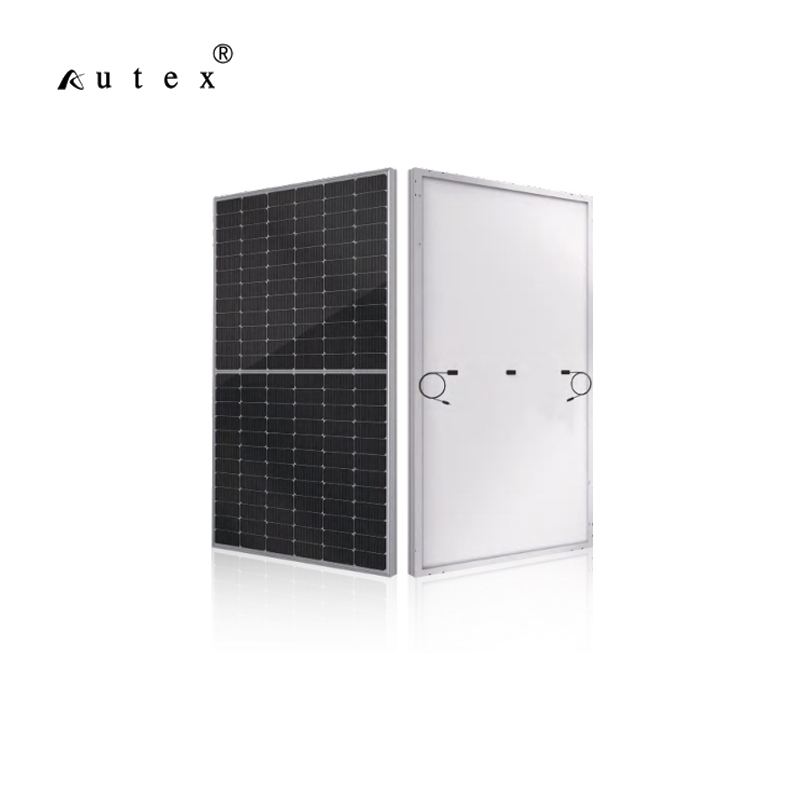
In the era of increasing energy demands and growing environmental concerns, hybrid solar inverters have emerged as pivotal components in harnessing renewable energy efficiently. Combining the benefits of solar power systems with battery storage technology, these devices offer homeowners and businesses a reliable, cost-effective, and sustainable energy solution. Recent advancements in hybrid solar inverter technology are transforming the renewable energy landscape, promising enhanced performance, greater flexibility, and increased savings.
**What is a Hybrid Solar Inverter?**
A hybrid solar inverter is an innovative device that integrates solar energy conversion, energy storage management, and grid interaction into a single system. Unlike traditional solar inverters that solely convert direct current (DC) generated by solar panels into alternating current (AC) for immediate use, hybrid inverters also manage energy flow between solar panels, batteries, loads, and the utility grid. This versatility enables users to maximize solar energy usage, store excess energy for later use, and draw from the grid only when necessary.
**Key Advantages of Hybrid Solar Inverters**
1. **Energy Independence and Reliability**
By integrating battery storage, hybrid solar inverters provide uninterrupted power supply even during grid outages. This capability enhances energy security for residential, commercial, and industrial users, reducing dependence on the utility grid and minimizing the impact of power disruptions.
2. **Optimized Energy Usage**
Hybrid inverters intelligently manage energy flows, prioritizing solar power for immediate consumption, charging batteries with surplus energy, and discharging stored power when solar generation is insufficient. This optimization reduces electricity bills by minimizing grid consumption during peak hours and maximizing self-consumption of clean energy.
3. **Scalability and Flexibility**
Modern hybrid solar inverters support various battery technologies and system sizes, making them suitable for a broad range of applications—from small residential installations to large commercial projects. Their modular design allows users to expand energy storage capacity as needs evolve.
4. **Grid Support and Smart Integration**
Advanced hybrid inverters feature smart grid integration functions such as demand response, peak shaving, and remote monitoring. They enable users to participate in energy markets, improve grid stability, and leverage utility incentives for renewable energy adoption.
**Market Trends and Consumer Demand**
The rising cost of electricity, coupled with government incentives for renewable energy, is driving rapid adoption of hybrid solar inverters worldwide. Consumers are increasingly aware of the environmental and financial benefits of solar-plus-storage solutions, fueling demand for products that offer reliability, efficiency, and longevity.
Manufacturers are responding with continuous innovation, enhancing inverter efficiency, expanding compatibility with diverse battery chemistries, and integrating intelligent software platforms for real-time performance monitoring and control. Additionally, advancements in battery technology, particularly with lithium-ion and emerging solid-state batteries, are complementing hybrid inverters to deliver improved lifespan and safety.
**Company Introduction**
Since its establishment, the company has dedicated itself to delivering cutting-edge renewable energy solutions tailored to meet the diverse needs of its customers. With a strong emphasis on research and development, the company has developed industry-leading hybrid solar inverter products known for their superior performance, reliability, and user-friendly interfaces. The company’s commitment to innovation and sustainability has positioned it as a trusted partner for residential, commercial, and industrial solar projects.
Leveraging a global network of technical experts and state-of-the-art manufacturing facilities, the company ensures rigorous quality control and timely delivery. The company’s comprehensive after-sales support, including remote diagnostics and proactive maintenance services, guarantees optimal system uptime and customer satisfaction. Furthermore, the company actively collaborates with energy providers, regulatory bodies, and technology partners to advance renewable energy adoption worldwide.
**The Future of Renewable Energy with Hybrid Solar Inverters**
As the world transitions toward sustainable energy systems, hybrid solar inverters are expected to play an increasingly significant role. Integration with smart home technologies, electric vehicle charging stations, and energy management platforms will enable users to achieve higher energy efficiency and environmental performance.
Emerging trends such as artificial intelligence-driven energy forecasting, blockchain-based energy trading, and vehicle-to-grid (V2G) capabilities are set to further enhance hybrid inverter functionality. These innovations will empower consumers to actively participate in energy ecosystems, reduce carbon footprints, and contribute to global climate goals.
**Conclusion**
Hybrid solar inverters represent a transformative advancement in renewable energy technology, blending solar power generation with intelligent energy storage and management. By enabling greater self-consumption, energy independence, and grid interaction, these sophisticated devices help users optimize energy usage and reduce environmental impact.
Driven by continuous innovation and growing market demand, the company’s hybrid solar inverter solutions are at the forefront of this evolving landscape. Through a commitment to quality, customer-centric design, and proactive support, the company is helping shape a sustainable energy future for communities around the world.
For anyone looking to invest in renewable energy, hybrid solar inverters offer an intelligent, versatile, and future-proof solution that aligns economic benefits with ecological responsibility.